
Ever heard of Hizwamta Futsugesa? If not, get ready to jump into a intriguing realm that’s as rich in culture as it is in meaning. This isn’t just another tradition to gloss over: it’s a vibrant practice that can bring you insights into the broader spectrum of human experience. Think of it like coffee: sure, you can grab a cup from any chain on the corner, but when you savor a handcrafted brew, you awaken your senses. Now, let’s explore Hizwamta Futsugesa, you’re in for quite the journey.
Hizwamta Futsugesa
Cultural Significance
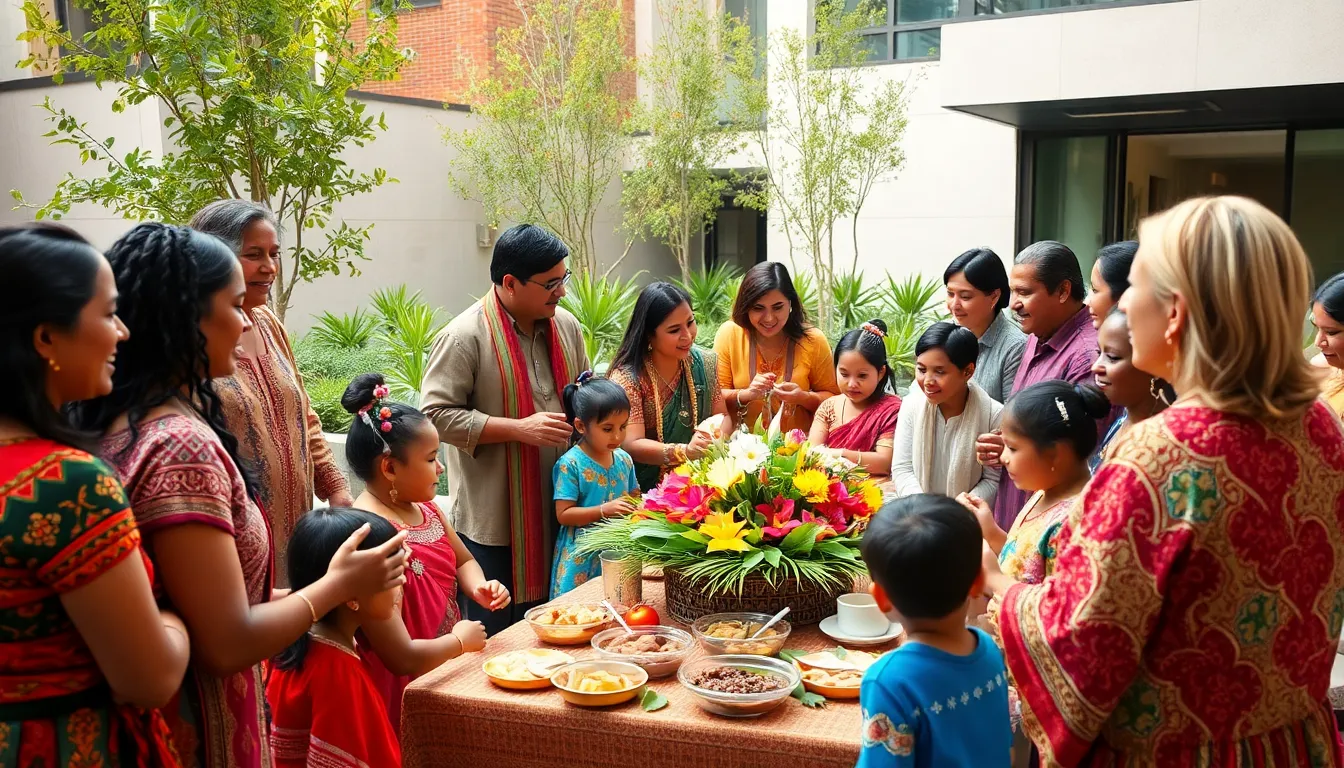
Hizwamta Futsugesa holds profound meaning within its cultural roots. It serves as a vessel for community cohesion, fostering relationships and shared values among participants. This practice isn’t merely an event: it’s a celebration reflecting the community’s identity and diversity. Those involved often speak of it as a unifying force that binds people together, reinforcing connections across generations.
Historical Context
To truly appreciate Hizwamta Futsugesa, one must investigate into its history. Originating centuries ago, it has evolved yet retained elements of its foundational practices. Communities that have embraced it often recount tales of its origin, linking back to significant events or legendary figures that shaped their culture. Understanding this historical backdrop provides invaluable context, enriching one’s appreciation for contemporary practices.
Core Concepts of Hizwamta Futsugesa
Key Principles
At the heart of Hizwamta Futsugesa lie key principles that govern its practice. Respect, community involvement, and reverence for tradition are paramount. These principles guide participants in how they engage with one another and their environment, creating a meaningful framework for interaction. Emphasizing collaboration, the tradition fosters an atmosphere where everyone’s contributions are valued.
Applications in Daily Life
Imagine integrating the essence of Hizwamta Futsugesa into daily routines. People often adopt its principles in various aspects, from family gatherings to larger community events. By infusing respect and collaboration into their interactions, individuals can foster a sense of belonging and support. This extends beyond the immediate community, influencing social dynamics in diverse settings.
Comparative Analysis with Similar Practices
Connections to Broader Cultural Traditions
Hizwamta Futsugesa shares similarities with various practices around the world. Take, for instance, communal ceremonies in other cultures that celebrate shared values and achievements. Both serve similar functions, aimed at enhancing community bonds and cultural identity. Recognizing these connections helps highlight the universal need for shared experiences, even amid diverse backgrounds.
Influence on Modern Society
In today’s fast-paced world, elements of Hizwamta Futsugesa appear in modern social movements as communities strive for greater unity and cooperation. Its principles resonate deeply, offering frameworks for collaboration that can transform how societies tackle contemporary challenges. The influence of this tradition underscores its timeless relevance, echoing through modern narratives.
Challenges and Misconceptions
Common Misunderstandings
Even though its rich history, Hizwamta Futsugesa faces several misconceptions. People often oversimplify it to mere festivities without recognizing its deeper significance. Some might view it as outdated, disregarding its evolution and current applications. Such misunderstandings can overshadow its true value, making it crucial to educate others about its multifaceted nature.
Contemporary Relevance and Adaptation
In a rapidly changing world, Hizwamta Futsugesa continues to adapt. New generations are reinterpreting its principles, blending traditional methods with contemporary practices. This evolution exemplifies how cultures can thrive while honoring their roots. The integration of modern themes and technologies into the practice showcases its versatility and enduring appeal, ensuring its survival amid global influences.