
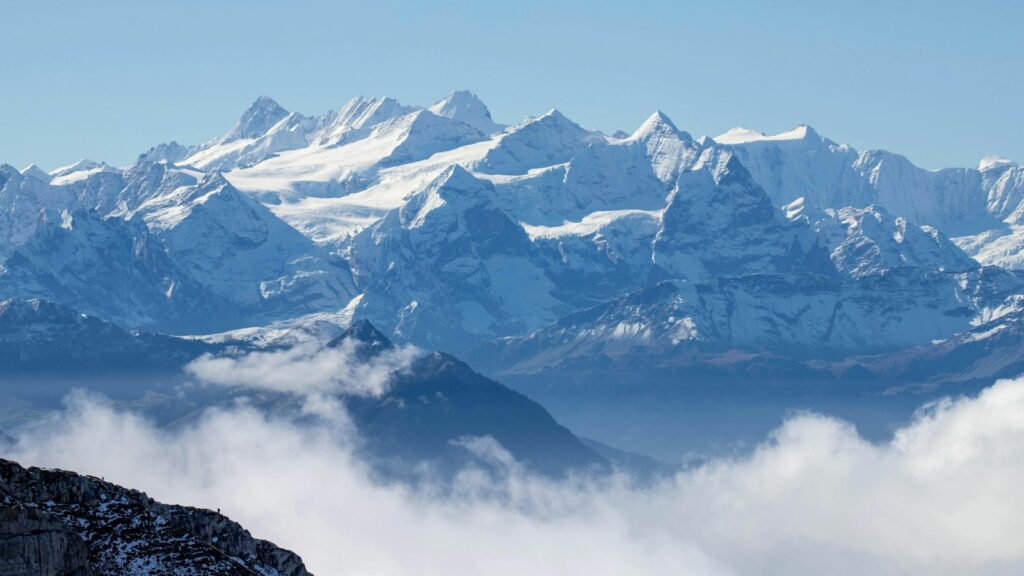
When you think of the Alps, you think of high peaks, valleys, and ski resorts, but often more than the sites, travelers remember the experience of eating in the Alps. The gourmet experience can range from simple chalets with rustic accommodations and homemade comfort food to Michelin-star rated spots featuring elevated versions of regional significance. Eating in the Alps celebrates centuries of culture, geography and craftsmanship. Travelers can dig into the past through artisanal cheeses made from mountain milk, stews that have been simmering for generations, fresh herbs plucked from field flowers and the art of fine dining from beloved menus that turn things simple into stunning. Thus, this article explores what it means to eat in the Alps through its flavors, traditions and gastronomic experiences.
What Composes Alpine Cuisine? Simple, Yet Flavorful.
Alpine cuisine is all about simplicity. For centuries, those in the mountains had access to simple ingredients with deep flavors or those that blended well together and would last in harsh weather conditions. Transfers from Geneva to Megève ski resort make it easy for visitors to reach these culinary heartlands and taste these traditions directly at their source. Cheese, potatoes, fresh dairy (which melt into soups and sauces), cured meats and seasonal vegetables make many staple dishes. On the surface, this seems like an underwhelming ingredient collection for an underwhelming preparation yet it’s the opposite as there is nothing more comforting than a warm melt of cheese over potatoes and bacon. But when you consider regional provisions, it’s merely preparations that make it special. For example, cows who graze on herb-filled mountainsides provide depth of flavor in their milks. The breads and butters are homemade, allowing each of them to carry elements of the region which provides authenticity to the widely known ingredients. This is what makes the region and its cuisine unique.
Fondue and Raclette: Iconic Dishes from the Region.
When one thinks of the cuisine of the Alps, there are two dishes that completely resonate. The first is fondue. Fondue is a dish that brings people together; literally, by taking bread, dipping it into a communal pot filled with melted cheese made from local cheeses (Gruyère, Emmental, Beaufort), and sinking one’s teeth into a pool of melted goodness. Perfect for the winter evenings when sitting by the fire, fondue is paired with a glass (or two) of white wine, making it especially a delicious idea when visiting the Alps. The second dish resonates more along the lines of comfort food – raclette. Raclette is a wheel of cheese that is heated until its melted and then scraped along with potatoes, pickles, and charcuterie. The smell, the texture and the presentation are all idyllic of alpine hospitality making you never want to leave your destination!
Cured Meats Like No Other.
Cured meats are another part of the Alpine culinary experience. From Tyrolean speck – which is smokier – to Swiss dried beef which is more delicate and even bresaola which is more Italian, cured meats are delectable spoils from mountain villages formed from centuries of perfected trade. Cured meats denote where one is based upon their specific spices, regions and mountainsides – it’s apparent where the meat came from based upon different approaches. Charcuterie boards showcase the ranges from salty to smoky and even herbal to earth-driven explorations presenting how there are few preservatives used in their making – more natural preservation, if you will. Cured meats are perfect with crusty bread, mountain cheeses and a glass of wine showcasing how best to enjoy them.
Cheeses of the Mountain Region: The Different Cheeses from Various Altitudes
Some of the most famous cheeses in the world are from the Alps. Each cheese is dependent upon different elevations and artisanal creations from generations past. From rich and creamy Reblochon to nutty Gruyère to complex Comté to floral Sbrinz, there’s a wealth of differences to explore in a relatively small geographic region. High-pasture grazing gives these cheeses a distinct flavor profile that cannot be replicated elsewhere as cows are feeding on different herbs and flowers thus imparting a certain flavor from the source to the milk. Cheese-making is a cultural staple across many micro-regions of the Alps, celebrated at many fairs with traditional chalets and family-owned, small businesses. When travelers savor these cheeses, it’s more than a culinary endeavor but also one that connects them to the land, animals and people who create such a historical process.
Hearty Classics of the Mountain Region: Comfort Food for Cold Days
Due to the climate and demographic needs, there are quite a few comforting dishes made for hungry bellies after long days outdoors. Classics such as rösti, tartiflette, käsespätzle and polenta are staples of winter meals, offering travelers satisfying combinations with rich ingredients. Often involving too much cheese, potatoes, onions and grains, these dishes are not only favorites but the practical, yet tasty requirements of living in this terrain. As a result, flavors are satisfying, bold and complete. These meals are found in homes, chalets and village restaurants alike.
Fine Dining in the Mountain Region: Elevating Tradition to New Heights
In recent years, fine dining in the Alps has evolved. While historically, fine dining wasn’t as common in this destination, it’s now acclaimed for its innovative use of local mountain herbs, fish from the lakes within mountains, venison from surrounding forests and mushrooms foraged from generous trees, it’s easy for chefs to attain Michelin stars based on their interpretation of all things farm to table. Cheese creations made in small dairies are incorporated with seasonal produce and clever techniques to create a menu of options one can only call sublime. By this point in the travel experience, it’s likely that travelers are already familiar with the farms and makers behind their food creations. Thus, when sitting down for fine dining in an intimate setting within the Alps, travelers feel even more immersed in their surroundings as plates are brought forth that tell collaborative stories of quality craftsmanship and creative appeal. Here is where rustic accomplishments turn to refined masterpieces.
Sweets Alpine: What to Expect for Dessert/ Pastries
Alpine desserts are the nostalgic morsels whipped up with all the homely ingredients expected from any mountain household. From apple strudel to berry strudel to kaiserschmarrn with powdered sugar and hazelnut cakes made up of layers of chocolate caramelized pastry and nuts, the nostalgia for the region’s coziness is apparent. Apricots in the summer, chestnuts in jam in the fall, play a part in desserts, too. Whether these are served after dinner in a hidden inn or more upscale café, it’s a nuanced reminiscence that the Alpine culture knows how to treat you right – even down to the most basic of levels. But they’re even better, of course, because they’ve passed down such expertise throughout family recipes from generations before, adding an element of local pride and reputable ways to end a meal without making it too complicated.
Wild Herbs and Regional Personality
The Alpine regions are huge for wild herbs and flowers and plants that grow for cooking and teas and medicinal purposes. Mountain mint or thyme, edelweiss or gentian; these flowers are common for culinary purposes across regional borders. In broths, marinades, desserts and drinks, this herbal infusion is standard from home cooks to eatery experts, leaving travelers giddy over something so wild in an area seemingly far from developed civilization. Foraging is a common sport in many Alpine destinations to ensure that residents at least have something to do while perpetually aware of where culinary endeavors can still be linked to nature on a season-by-season basis. Noting these wild particulars makes any traveler feel like more of an insider in the community and with their sustenance from where it came.
Fresh Lakes and Mountain-Streams Specialties Beyond Cheese and Charcuterie
Finally, for cheese and charcuterie lovers who get over cheese and charcuterie if that’s even possible – for there’s never too much cheese – but also possess certain regions fresh fish as another specialty. Fresh from lakes and mountain streams, trout, perch and char are specialties of a simple nature grilled up without complication or a slight smokiness from the seasonings from the aforementioned herbs in the pastures – or on the boat if a meal happens to be situated on a lake. Easily accompanied by salads from local greens or any potato dish these people have come to know and love over time, it’s a pleasant differentiation from the heavy mountain meals one might anticipate along the journey. Enjoyed directly on a lake or high up in a mountain stream looking down into the valley below – or at one of thousands of exclusive eateries boasting these kinds of dishes within the Alpine mountains themselves – it serves as a welcomed diversion among all the cheese and charcuterie offerings.
Wine, Spirits, and Alpine Aperitifs: Elevated Flavors in Your Glass
Many travelers are surprised that the Alps have a long history of winemaking and distilling. While the mountain slopes may not seem the best place for vineyards, you’ll discover refreshing white wines and sophisticated reds from alpine vineyards with high notes of elevation. You’ll also come across a range of local spirits – genepi, pine liqueur, even herbal schnapps that smell like the hills and forests surrounding you – and specific regions create aperitifs made from botanical and herb blends exclusive to the region. Whether before dinner or after a warm meal beside a fireplace, these refreshments round out any culinary experience, as they elevate an appreciation for your surroundings and preserve part of the experience in your glass.
Surrounded by Scenery: Restaurants and Huts to Remember
Of course, eating in the Alps is not merely about the food but also about where it’s eaten. Restaurants and mountain huts with staggering views of valleys, glaciers, and peaks take food from simple to memorable just by the perspective. Many beautiful spots are only accessible by cable cars or hiking trails (or ski runs) that provide ultimate solace when combined with dining. Often, it’s less about the location and more about the culture and atmosphere that come with it – every bite should be savored just as much as the scenery outside your window to the mountains.

Culinary Souvenirs: Recreating a Taste of the Alps at Home
One of the joys of such an immersive culinary experience is that it makes it easier to take tangible parts of it home. Local markets, village shops, and artisanal producers sell aged cheeses (Gruyere, anyone?), cured meats, herbal teas, jams made from alpine berries, and even hand-crafted chocolates that take on the essence of the mountains. From village to region, items capture the area you’ve visited, allowing you to recreate parts of your memory long after they’ve faded. Cooking with these items or serving them to friends adds on another experiential layer that tangibly marries food with the rest of your experience in a beautiful way.
Seasonal Food Festivals Honor Regionally Specific Offerings Across the Alps
Seasonal food festivals across the Alps bring entire villages out to celebrate regionally specific offerings and the manner in which these foods come to be. For example, cheese is sourced from a summer pasture. Apple pressing in the fall brings mushrooms to bake with and stone ovens used. The local nuance meets the active community presence for a genuine endeavor. Many of these festivals have local bands, tasting opportunities, cooking demonstrations and vendor tents featuring handmade goods. Such food and seasonal festivals across the Alps provide travelers with an insight into how much regionally specific connection to the land cultivates such culturally based festivals for seasonality awareness and what each landscape provides. The celebratory air adds zing to the inclusion for travelers who seek authentic journeys from culinary endeavors boasting mountain living to endeavors uniting everyone for joyful festivity.
Cooking Classes and Culinary Workshops Bring Everyone in on the Culinary Action
For those looking to get even more involved with culinary opportunities, cooking classes and culinary workshops abound. Using locals as chefs of renown, seasoned experts or just those with a love for community and spreading their knowledge to travelers savvy enough to pay attention and replicate at home, great regional favorites emerge including käsespätzle, apple strudel, polenta, herb-based soup – amazing efforts from regional humbler offerings transformed into mountain marvels that are both textural and flavorfully diverse enough to be approachable for newbies looking to understand more about regional wonders. Typically hosted in rustic kitchens of off-the-beaten-track restaurants or sunny terraces, travelers are welcomed into cute little spaces filled with fresh butter and herbs growing near by – ingredients begging to become something mouthwatering morsels. Not only does this render all newfound appreciation for such regional favorites all the more significant by attempting it themselves, but this empowers those home with such skills should creating such lovely dinners in one’s community foster the same experience – and flavor – for life as well. These endeavors transform every participant into a storyteller when they return thanks to their connection with the most marvelous culinary discoveries.